

Silage Analysis – A Tale of Two Silages?
Silage 1 – Clamp silage/unwilted/no additive/ 1st cut May 3rd in warm and sunny conditions.
Silage 2 – Clamp silage/unwilted/no additive/ 1st cut 10th May in cold and wet conditions.
|
|
Silage 1 |
Silage 2 |
|
DM % |
23 |
20.3 |
|
pH |
4 |
4.8 |
|
Ammonia N (NH3-N) % N |
5.3 |
17.4 |
|
TFA % DM |
12.34 |
4.06 |
|
Lactic |
11.5 |
2.64 |
|
Acetic |
0.13 |
0.26 |
|
Butyric |
0.04 |
0.91 |
|
ME |
10.9 |
10.4 |
|
FME |
7.86 |
7.24 |
|
D Value |
68.5 |
65 |
|
NDF |
44.1 |
51.3 |
|
Sugars |
0.6 |
0 |
|
Ash |
7.5 |
9.2 |
|
CP %DM |
18.5 |
16.7 |
|
a % CP |
45.6 |
63.6 |
|
b % CP |
54.4 |
36.4 |
|
c % CP |
0.05 |
0.05 |
The difference between the two samples is the time of cutting and the weather conditions. The fermentation in sample 2 has been affected. The Ammonia content and pH are higher suggesting poor fermentation. The Total Fermentation Acids (TFA) proportion is lower suggesting there were fewer sugars in the grass due to the weather and these haven’t been turned into lactic acid. The higher proportion of butyric acid shows that secondary fermentation is likely to have taken place. The ash content has also increased, which has likely introduced more negative bacteria into the fermentation process.
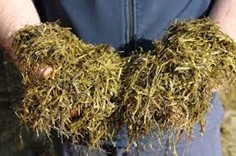 The NDF is higher reflecting the increase in cutting date and this has negatively affected the ME, FME and D value of sample 2.
The CP is lower in sample 2 reflecting the stage of growth at cutting. The grass leaf is higher in protein than the stem so the higher proportion of stem in a crop will decrease the CP. The higher Ammonia content and a value in the silage would suggest that there was free nitrogen available from unused fertiliser. This has reduced the slowly degradable b portion of the silage.
For the farm presented with a silage 2 analysis, there are factors that are out of their control, the weather, availability of machinery and facilities But in the short term, the analysis can help a nutritionist match concentrates to balance the diet or inform the farmer on whether to buy concentrates forward for the winter.
The bigger picture should be how can the forage making process be improved. Are the springs getting wetter? Is there generally a week in April that is dry? Could putting less fertiliser on and catching this window improve the forage quality? Is the farm trying the put in maize and silage at the same time? Can the cows graze more fresh grass and reduce the silage needed? Are better forages available and suit the system? Can you change the system?
Are you making consistently good silage? How can you improve your grass silage quality in the future? To review how and what silage from the soil to animal intake, contact Allaster at allasterdallas@fcgagric.com or your local FCG Office.
